-
 There's an open call for Indigenous artists from the U.S. and Canada to submit their portfolios before a juried committee. Three semifinalists will then draft and present their concepts before a finalist is named.
 -
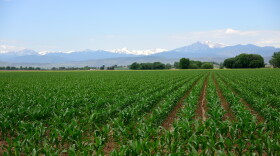 Atrazine contamination is most widespread in the Midwest, but affected watersheds extend into Colorado and New Mexico.
 -
 Oil, gas and coal are rebounding under the Trump administration. In Wyoming, it's a big win for the fossil fuel industry.
 -
 Arizona and Nevada are filing a lawsuit to challenge new federal rules that would require them to take cuts to their allocations of the Colorado River through 2028.
 -
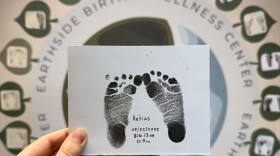 Midwife-run birth centers for low-risk patients are especially popular in some rural Western states.
 -
 Satellites like NOAA and NASA’s GOES constellation have been an important fire science tool for years. Over the summer, the nonprofit Earth Fire Alliance launched the first three satellites of its FireSat program, and the first images taken by them were recently released.
 -
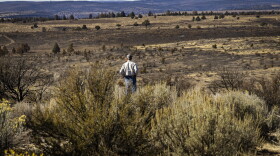 Twenty firefighters have died so far this season, and hundreds of homes have been destroyed across the West.
 -
 Tracy Mazur of Draper was shocked when she got a call from the Westminster Kennel Club Dog Show. The American Kennel Club-accredited dog agility judge is headed for the bright lights of New York City in January. It's the first time a Utahn will judge the premier event's Masters Agility Championship.
 -
 The route traverses across regions of Colorado that touch public lands and are slightly off the beaten path
 -
 Attorney General Kris Mayes is suing OpenAI, saying its chatbot exposes minors in Arizona to a range of serious harms that the company failed to disclose.

Listener-supported KSUT delivers NPR News and Music Discovery for the Four Corners, on-air and online, from its studios on Southern Ute lands in Ignacio, Colorado.
KSUT is an independent, non-profit organization governed by a Board of Directors and is not a tribally owned station or service.
© 2026 KSUT Public Radio
KSUT is an independent, non-profit organization governed by a Board of Directors and is not a tribally owned station or service.
© 2026 KSUT Public Radio

NPR News and Music Discovery for the Four Corners
Play Live Radio
Next Up:
0:00
0:00
Available On Air Stations


