

Native and Indigenous News
-
 The annual event is held at the former military fort and Indian boarding school south of Hesperus.
 -
 Gabriel Pietrorazio/KJZZEarlier this month, a federal audit published by the Interior Department's Office of the Inspector General found that the Bureau of Indian Affairs' Missing and Murdered Unit is understaffed and its few special agents are spread thin — handling "unmanageable workloads" throughout Indian Country.


-
 The day of remembrance is for the Indigenous children who were taken from their families and sent to boarding schools.
 -
 Tribal communities in Northern Nevada pass resolutions to ban data centers on their homelands and speak out against proposed data centers in the region.
 -
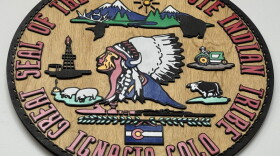 The tribe wants the Bureau of Land Management to remove 2,500 acres on the reservation from an upcoming oil and gas lease sale.
 -
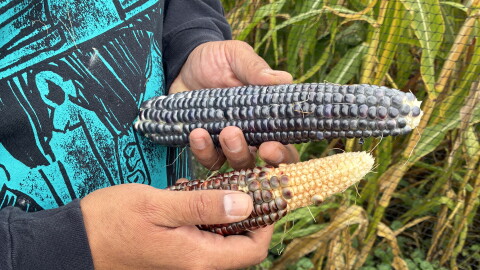
 Founder of the popular food and lifestyle blog The Fancy Navajo, Alana Yazzie of Queen Creek is now also the author behind "The Blue Corn Kitchen: A Navajo Story of Food, Family, and Tradition."
 -
 Municipalities across the Grand Canyon State are raising concern over the rapid rise of data centers, especially when it comes to water consumption in the drought-stricken Southwest.
 -
 The Native American Rights Fund finds disparities in voter registration, mail-in ballots and other stages of voting in Native communities
 -
 Cataloging information from the Confluence may also be used to potentially deter future commercial development by industries like hydropower — while the Trump administration is eyeing energy projects on tribal lands.
 -
![The Long family [clockwise from top left] Joni Lapahie, Dáilan Long, Jona Lapahie, Emma Long and Emery Long.](https://npr.brightspotcdn.com/dims4/default/207e74a/2147483647/strip/true/crop/4032x2246+0+11/resize/280x156!/quality/90/?url=https%3A%2F%2Fnpr.brightspotcdn.com%2Fdims3%2Fdefault%2Fstrip%2Ffalse%2Fcrop%2F4032x2268%200%20378%2Fresize%2F4032x2268%21%2F%3Furl%3Dhttp%3A%2F%2Fnpr-brightspot.s3.amazonaws.com%2F8c%2F3e%2Fcb7758794c59b588da1f9a3323b8%2Flong-family-household-burnham-nm-gp-202602.jpg) The tribe is asking the Trump administration to dramatically expand the life — and size — of an operational coal mine that could uproot the lives of some Navajo families. And their longtime homes.
The tribe is asking the Trump administration to dramatically expand the life — and size — of an operational coal mine that could uproot the lives of some Navajo families. And their longtime homes.


![The Long family [clockwise from top left] Joni Lapahie, Dáilan Long, Jona Lapahie, Emma Long and Emery Long.](https://npr.brightspotcdn.com/dims4/default/6e01213/2147483647/strip/true/crop/4032x2246+0+11/resize/560x312!/format/webp/quality/90/?url=https%3A%2F%2Fnpr.brightspotcdn.com%2Fdims3%2Fdefault%2Fstrip%2Ffalse%2Fcrop%2F4032x2268%200%20378%2Fresize%2F4032x2268%21%2F%3Furl%3Dhttp%3A%2F%2Fnpr-brightspot.s3.amazonaws.com%2F8c%2F3e%2Fcb7758794c59b588da1f9a3323b8%2Flong-family-household-burnham-nm-gp-202602.jpg)